Ebike shopping often turns into a speed contest. Class 3 tops out at 28 mph, Class 2 at 20, so the faster one must be the better bike, right?
For some riders, yes. But for most people buying an ebike to explore, run errands, hit the beach, or ride with family, top speed is the least important number on the spec sheet. What matters more is where you're allowed to ride, how the bike feels at the speeds you'll actually use, and whether it fits into everyday life without friction. Here's how the classes really compare, and how to tell which one fits the way you ride.
The three ebike classes, in plain English
Most US states use a three-class system to decide where ebikes can go and who can ride them. The classes are based on two things: how the motor is activated and the speed at which it stops helping.
- Class 1: pedal assist only, no throttle. The motor helps up to 20 mph.
- Class 2: pedal assist plus a throttle. The motor helps up to 20 mph, whether you're pedaling or using the throttle.
- Class 3: pedal assist up to 28 mph. Class 3 bikes typically require a speedometer, and throttle rules vary by state, with many limiting or not allowing throttle-only operation.
All three classes are generally capped at 750W of motor power. Beyond that, a bike may no longer count as an ebike at all and could fall under moped or motor vehicle rules.
Where you can ride is the real difference
The 8 mph gap between the classes matters less than what it does to your access. Rules vary by state, city, and land manager, but the general pattern looks like this:
- Class 1 and Class 2 are often treated like regular bicycles. They're commonly allowed on roads, bike lanes, and many multi-use paths.
- Class 3 is usually allowed on roads and in bike lanes, but is more often restricted from multi-use paths, bike paths, and trails. Many states also set a minimum age (often 16) and require helmets for all Class 3 riders.
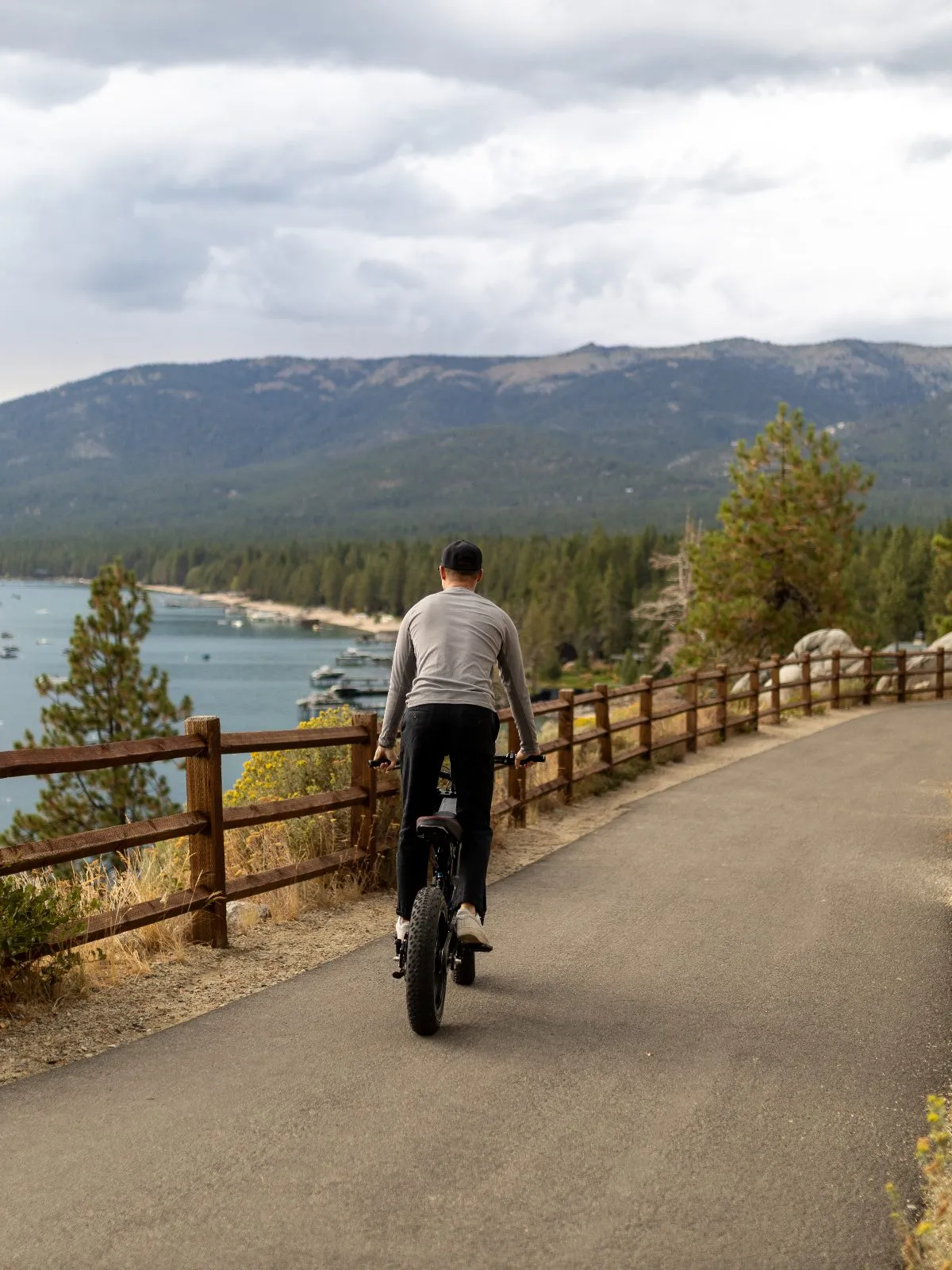
Think about what that means for a typical ride. A boardwalk, a lakeside path, a paved trail connecting two neighborhoods, a beach-town bike path: these are often exactly the places Class 3 bikes aren't welcome. A Class 3 bike can be great on the road and frustrating everywhere else.
Always check the specific rules where you ride. Parks, beaches, trail systems, and private paths can set their own policies regardless of class.
How fast do you actually ride?
Here's the honest part. On a path shared with walkers, kids, and dogs, you're not riding at 28 mph. On a sandy access road or gravel connector, you're not riding at 28 mph. Around town with stop signs every block, you're rarely holding 20.
For most recreational and neighborhood riding, the useful speed range is somewhere between 10 and 20 mph. Class 2 covers all of it. The extra top end of Class 3 only pays off on longer stretches of open road, which is why it makes the most sense for dedicated road commuters.
Why the throttle matters more than you'd think
The throttle is the feature that most separates Class 2 from the other classes in daily use, and it's more practical than it sounds:
- Starting from a stop on a hill, at an intersection, or in deep sand, where getting a heavy bike rolling by pedaling alone is awkward.
- Resting your legs for a stretch without stopping, especially on longer rides or the way home.
- Walking the bike through tricky spots or giving a tired rider a break.
- Sharing the bike with people in your household who aren't regular riders and want something easy and predictable.
A throttle doesn't mean you stop pedaling. On a well-built Class 2 bike, pedal assist remains the main way you ride, and the throttle is there when you need it. (We dig into what makes a bike feel good to pedal in our guide to choosing a fat-tire ebike that still feels good to pedal.)
When Class 3 is the right call
Class 3 isn't the wrong choice. It's a more specialized one. It makes sense if:
- Your main ride is a longer commute on roads or in bike lanes.
- You're comfortable riding with traffic and want to keep up with it better.
- You rarely use paths, trails, or beach routes where Class 3 may be restricted.
- You're the only one riding the bike and meet your state's age and helmet requirements.
If that describes you, the extra speed is a real benefit. If it doesn't, you'd be paying for speed you can't use in places you can't go.
A few questions to decide
- Where will you ride most often? Paths, trails, beach towns, and neighborhoods point to Class 2. Mostly open roads points to Class 3.
- Do you value access over top speed? If you want to take detours and explore without checking the rules at every trailhead, Class 2 gives you more room.
- Will anyone else ride it? A Class 2 bike with a throttle is easier to share with a partner, family member, or guest.
- What surfaces will you ride on? Sand, gravel, and dirt reward a throttle for starts and control far more than they reward top speed.
One important note on "unlocking"
Some ebikes can be reprogrammed to go faster than their class allows. It's tempting, but an unlocked bike no longer fits its classification, which can affect where you can legally ride, your warranty, and your liability if something goes wrong. If you need Class 3 speeds, buy a Class 3 bike.
Why we built the Surfline as a Class 2
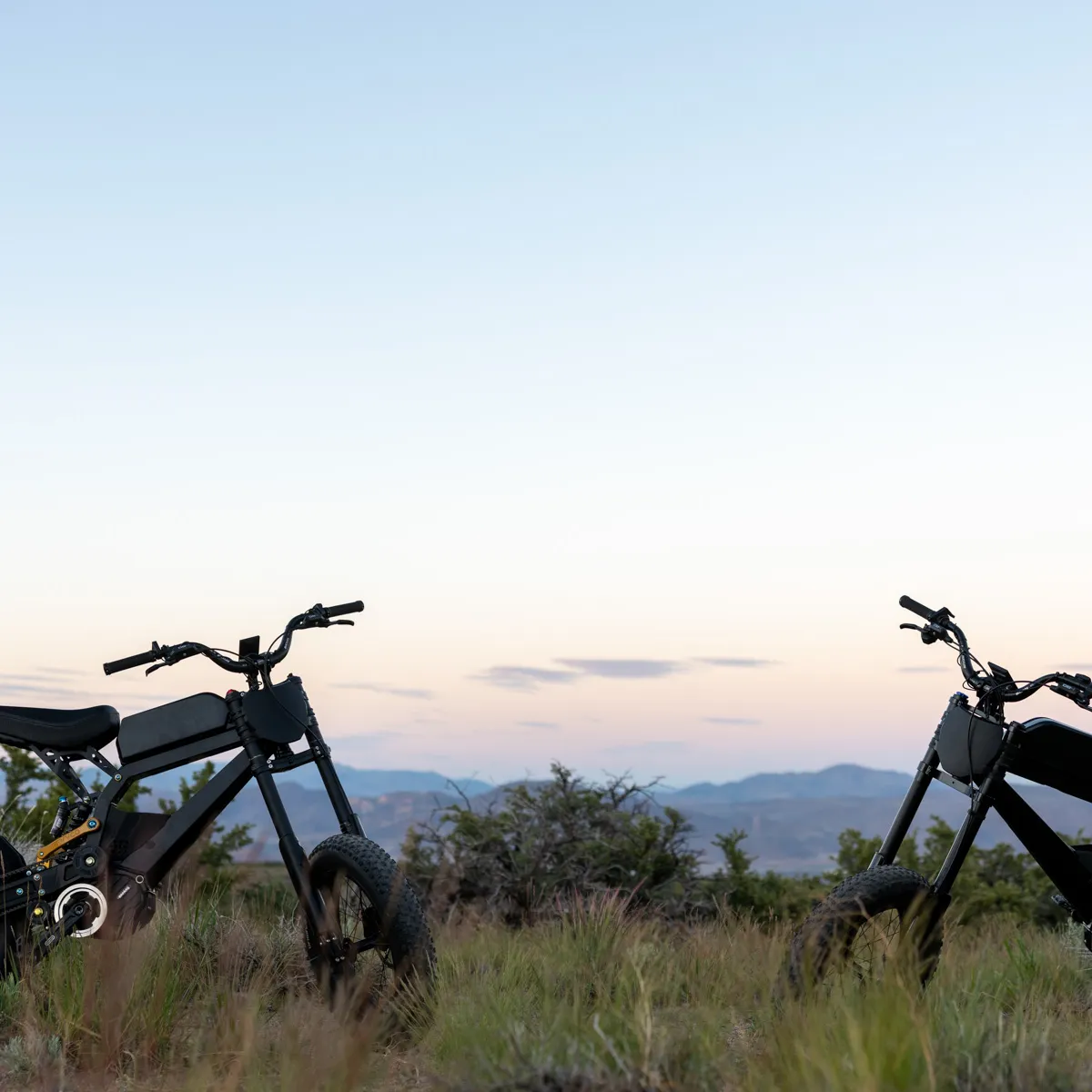
We designed the Surfline for the kind of riding most people actually do: beach paths, boardwalks, trail connectors, town errands, and the dirt road detour you didn't plan on. For that kind of riding, Class 2 is the more complete answer.
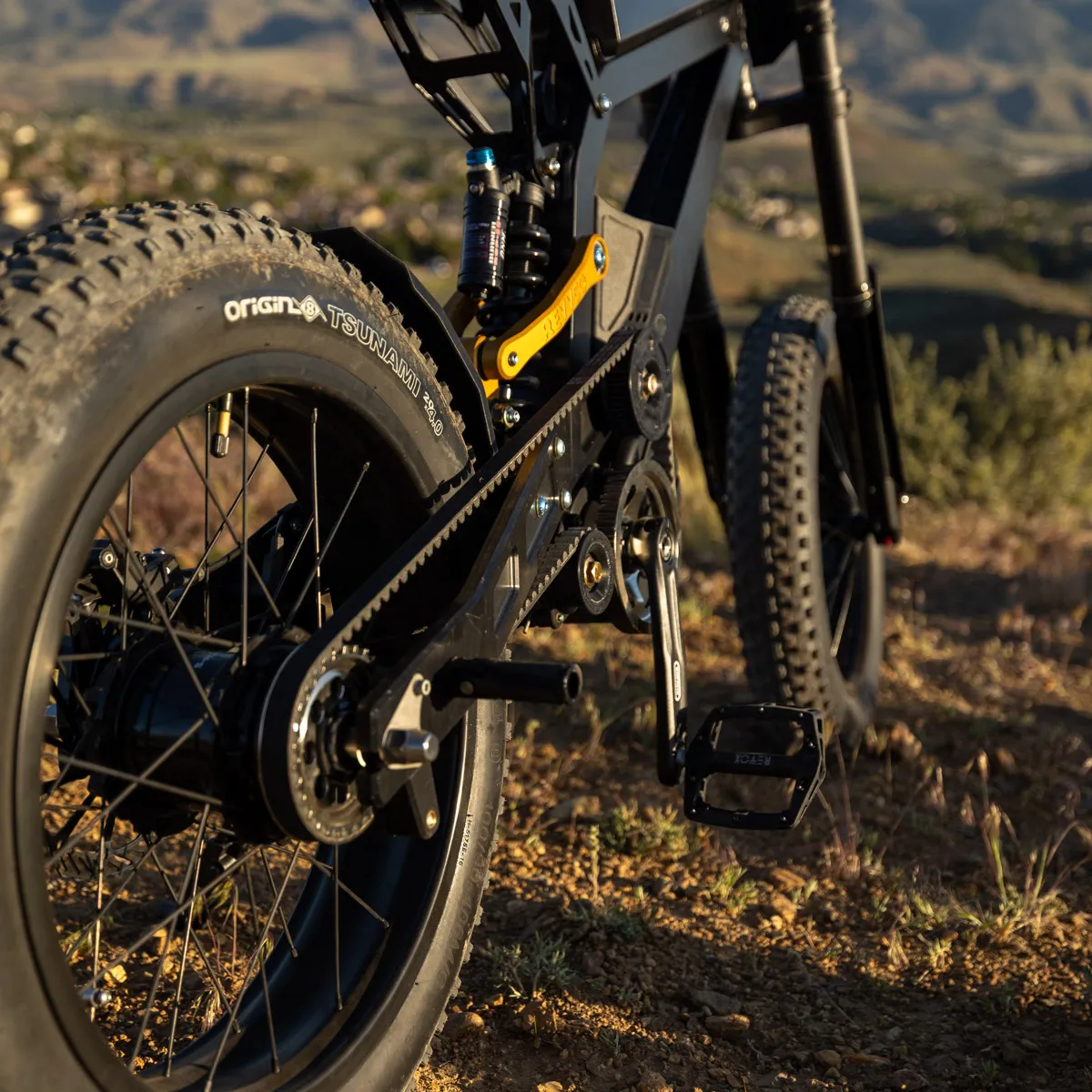
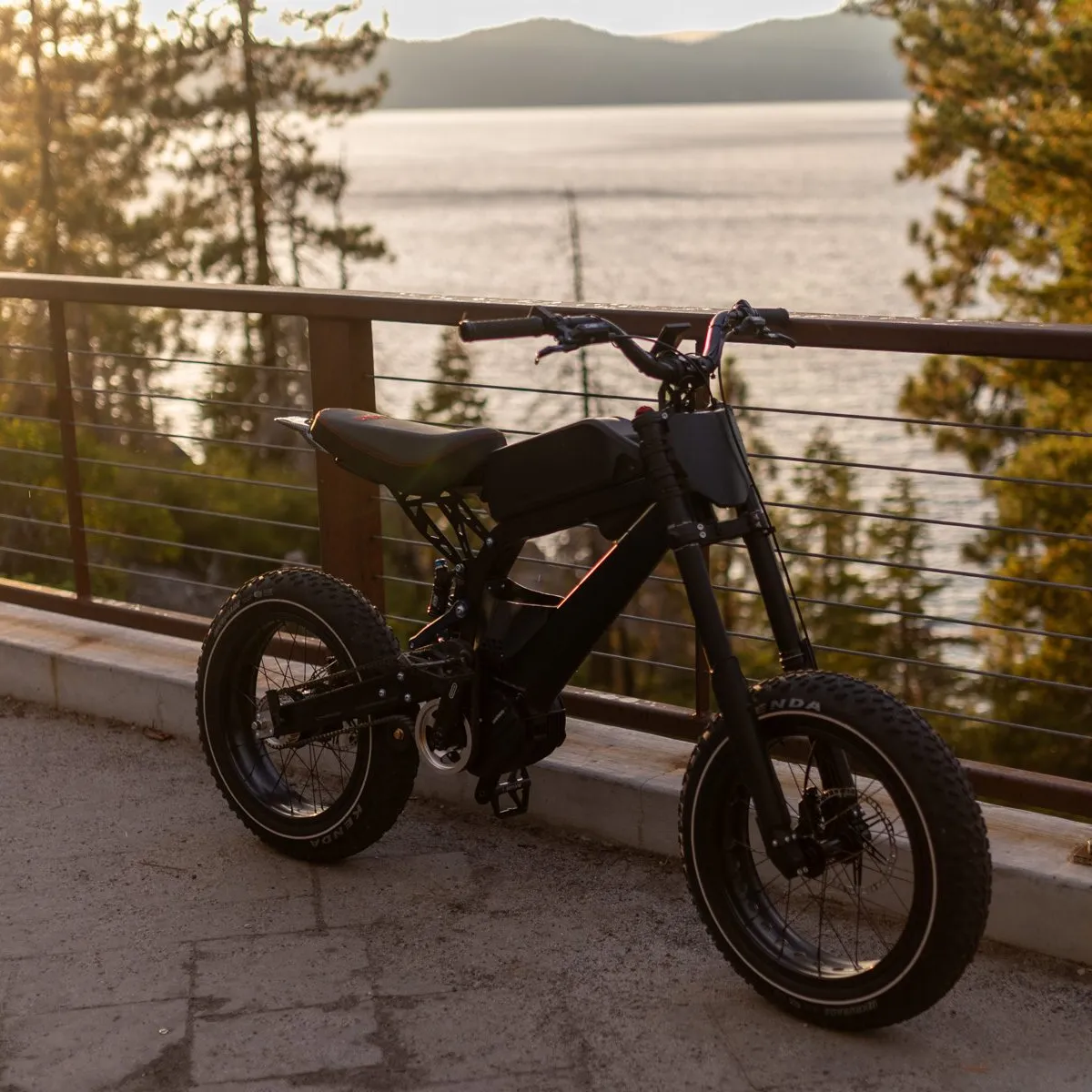
The Surfline is configured with a thumb throttle and 5 levels of pedal assist, governed to 20 mph. It pairs that with a 750W Bafang M620 mid-drive motor, 160mm of full suspension front and rear, and 20 × 4-inch fat tires, so the speed you do use feels calm and planted instead of busy. The throttle earns its keep in sand starts and on climbs, and the 52V battery is good for roughly 25–50 miles depending on terrain and how you ride.
"Love ripping the bikes on single track and cruising through town with the throttle. The Surfline is a sweet setup unlike anything else available!"
Mathew Taylor, Surfline owner
The Surfline starts at $5,000 (single speed) or $5,500 (5-speed), with free shipping in the US, 30-day returns, a 2-year warranty, and financing available at checkout.
See the Surfline and choose your build →
Near Reno or Tahoe? Book a test ride and see how Class 2 fits the way you ride.
Ebike laws vary by state, city, and land manager and change over time. This article is general information, not legal advice. Check local rules before you ride.